The Art of Sustainable Creativity, Part II: Visualizing Sound
Drawing inspiration from music and aural textures
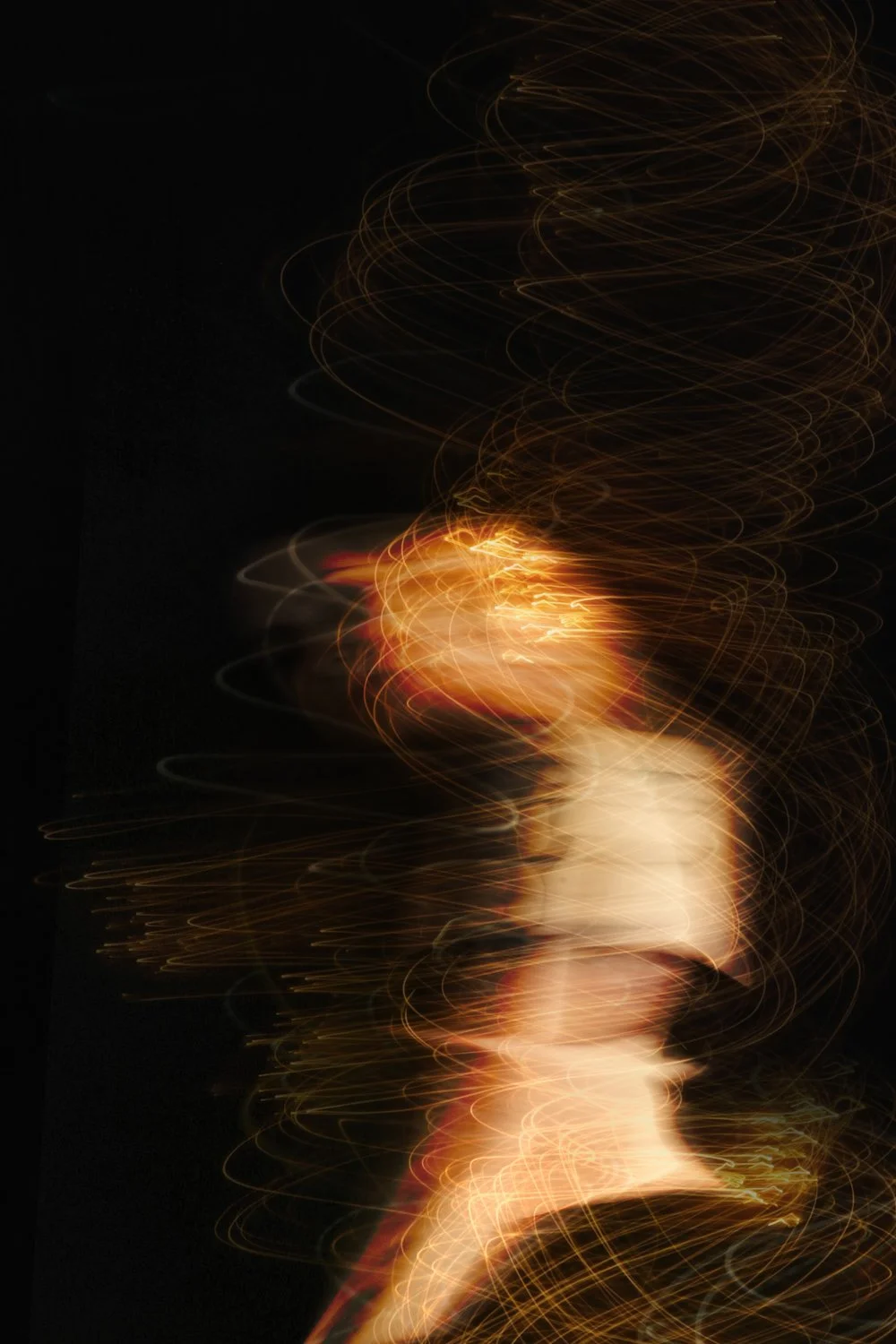
Moment to moment, we use our senses automatically with little awareness, as we’re designed to do. But there is something enlivening and electrifying about bringing the automatic to consciousness and transmuting it into intentional ritual for the purpose of conjuring inspiration. With little effort, what is seemingly involuntary or mundane can be a catalyst for shifting your perspective and changing the way you generate ideas.
One of the primary and most meaningful ways I engage with sound is through music. In the same way any sound can be attributed to an emotion or memory, it can be attributed to a visualization. Below, I breakdown my process for this specific practice, along with other ways to work with sound.
The Process
This method is specifically great for visual artists who create from imagination. I have derived entire photographic series from engaging with music this way.
First, choose a genre based on your current mood, a mood you’d like to enter, or the mood you’d like to infuse into your work, even if the latter may not be immediately evident. The ritual is less about cultivating a vibe and more about connecting sound to sight, but it’s important to choose a style of music that will align with your goal.
*I highly recommend starting with instrumental music, as lyrics can be distracting, cloud your originality, and direct the story your mind begins to weave. It’s relatively easy to find instrumental versions of your favorite albums.
Find a comfortable place to sit or lie down for at least 20 minutes, where you will not be disturbed or distracted. Once the music starts, allow yourself to fall into a trance state. As your personal rhythm merges with the song, begin by visualizing what the melody looks like; its colors, shape, density, texture, temperature, how it moves and flows through space. Imagine what it would look like if it were a living being. Consider what it would look like if it could shape-shift into a landscape, or an object. You can take this a step further and imagine how the sound would appear as an emotion, and then visualize that emotion as a corporeal element.
As these images come to mind, you can pause to note or sketch them but be careful not to break the flow state. If you can rely on memory and wait until you’re done to note down ideas, do so. Don’t get discouraged if the ideas don’t flow instantly; they might come later, when you least expect, and you may have to repeat the process several times to open creative pathways.
Additional Ways to Work with Sound
When you’re going about your day and can’t necessarily zone out to a record, you can augment this process and tune into your surroundings. Listen to sounds of nature; birds singing, their wings beating against the wind, leaves swooshing in the breeze, dogs barking, rain pattering on surfaces. Listen to people’s voices, to the pulse of traffic. Listen to household appliances, creaking steps, food sizzling in a pan, and so forth. The goal is to learn to hear differently, to challenge yourself to make something commonplace interesting.
I’m not a scientist, but I suspect that one of the reasons these practices work so well is because the brain is being asked to do something different and tap into underused imaginative resources. These rituals are grounding and help detach us from the conscious mind, leading to ease in channeling creativity.
If you decide to try any of my suggestions, I’d love to know how it went for you!
